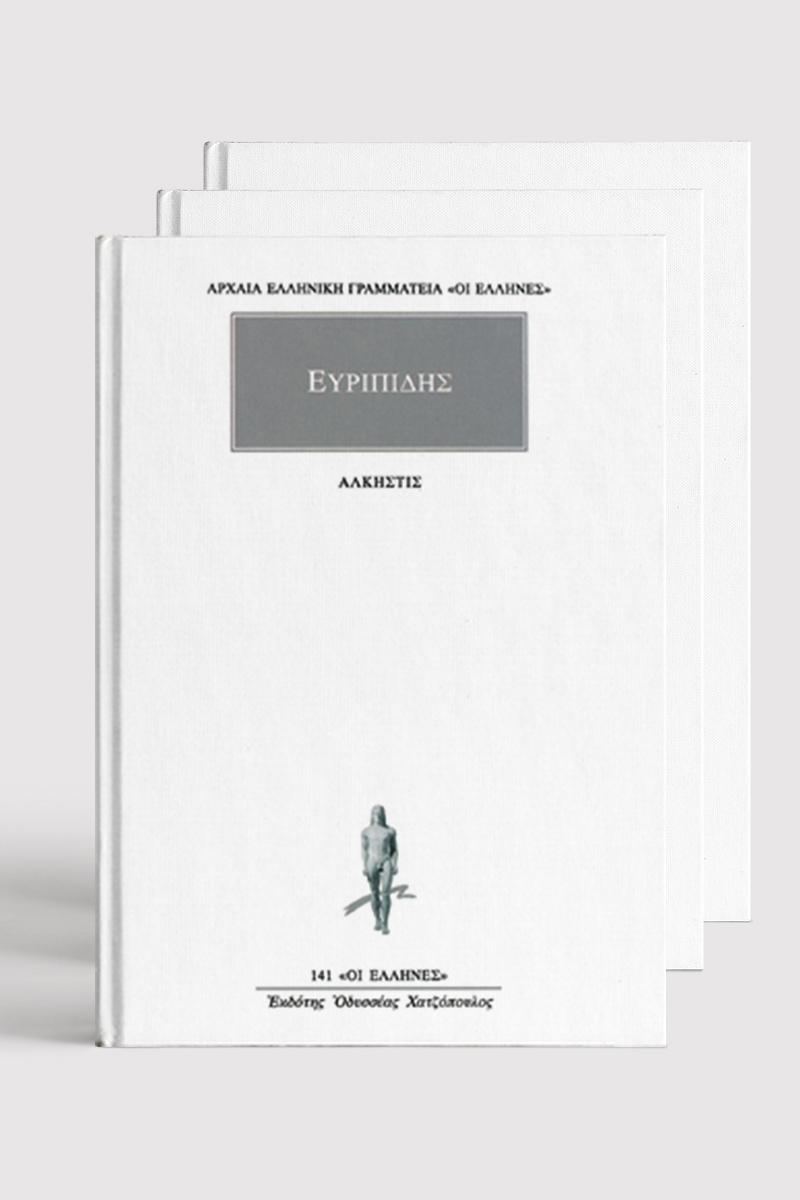
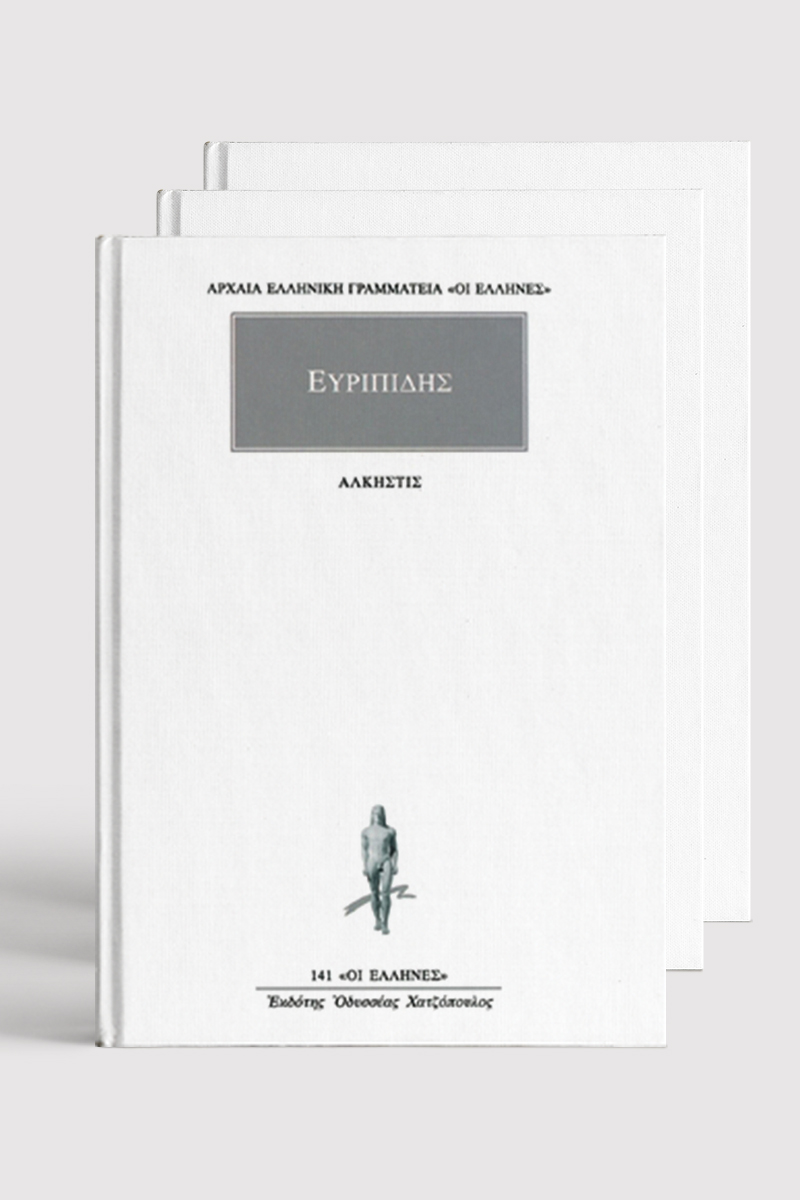
Inicio Euripides Complete Works (27 volumes) Euripides Complete Works (27 volumes) $ 95.93 Categoría: Marca: Arizona Description Euripides first participated in dramatic competitions in 455 B.C., yet he did not win until 441 B.C., and over his entire life he won only five prizes. This was because his progressive ideas often angered the conservative judges, while he was admired by younger audiences, earning him the title of the “beloved tragic poet.” But what were Euripides’ innovations? First, the lengthy prologues, used to narrate the backstory instead of relying solely on dialogue. Next, the introduction of the “deus ex machina” technique, in which a god would appear, often flying, to resolve the complex plots of the tragedies. Finally, his language was notably elegant, admired even by his critics, and his works contained philosophical teachings, earning him the title of “philosopher on the stage.” Euripides stands apart from Aeschylus and Sophocles in his depiction of realism, avoiding supernatural or idealized elements and thus serving as a mirror of his time. Additionally, due to the lack of deep religiosity in his works, he was accused of atheism. The issues that concerned him included human rights, the position of women, and the use of violence. He has been described by Aristotle as the “most tragic of all poets.” This is because he shifts the tragic conflict from the external to the internal level. While in other poets the heroes struggle against supernatural forces, such as Fate, and ultimately succumb, Euripides highlights the inner life of his heroes, portraying them with reason, duty, and even conflicting desires. The “Euripides” series, which includes the original ancient text, modern Greek translation, and commentary, consists of 27 volumes. Specifically, it includes: Cyclops Rhesus Hecuba Heracleidae Troads Suppliants Andromache Άλκηστις Cretans Medea Iphigenia in Tauris Electra Heracles Furens Helen Ion Hippolytus Hypsipyle Iphigenia in Aulis Orestes Phoenissae Bacchae Fragments 1 Fragments 2 Fragments 3 Fragments 4 Fragments 5 Fragments 6 Productos relacionados Complete Works – Lucian (17 volumes) $ 96.19 Añadir al carrito Euripides Complete Works (27 volumes) $ 95.93 Añadir al carrito The Dawn of Wisdom $ 96.71 Añadir al carrito Philo Complete Works (16 volumes) $ 91.77 Añadir al carrito